Top Sustainable Building Materials for Modern Construction
Environmental responsibility is no longer optional in the construction industry. Clients increasingly demand sustainable solutions that reduce energy consumption and material waste while maintaining high performance. Below are some of the most promising sustainable building materials that modern builders, including Raíz Renova, are integrating into projects.
1. Recycled Steel
Recycled steel contains up to 90% post‑consumer content and reduces the need for virgin ore extraction. It offers superior strength‑to‑weight ratios, making it ideal for structural frames, beams, and roofing. Steel also boasts a 100% recyclability rate at the end of a building’s life.
2. Bamboo Flooring and Structural Panels
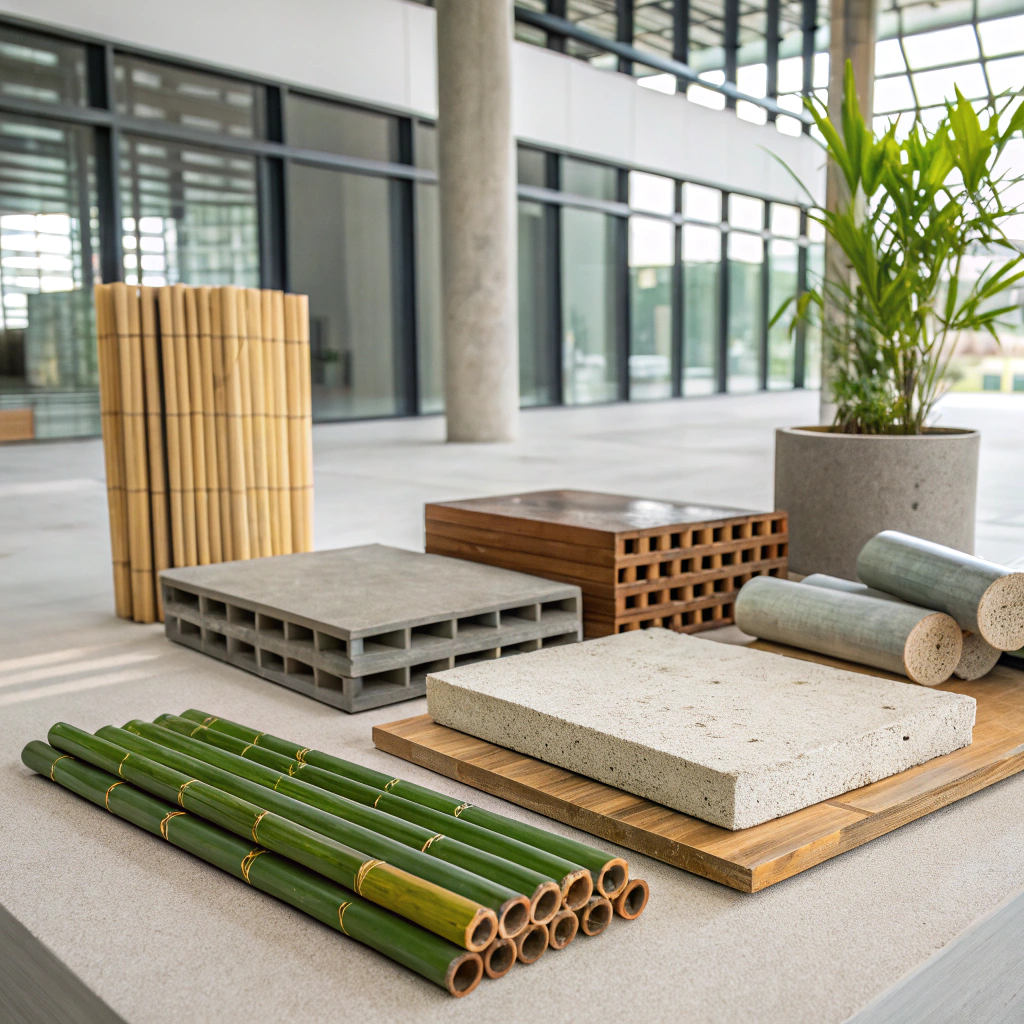
Bamboo grows to maturity in 3‑5 years, far faster than traditional hardwoods. Its rapid regeneration, high tensile strength, and natural aesthetics make it an excellent choice for flooring, wall cladding, and even engineered panels. When harvested responsibly, bamboo can achieve Forest Stewardship Council (FSC) certification.
3. Hempcrete
Made from the woody core of the hemp plant mixed with lime, Hempcrete provides excellent thermal insulation, breathability, and fire resistance. It is lightweight, non‑structural, and can be used for infill walls, providing a carbon‑negative material when sourced locally.
4. Reclaimed Wood
Salvaged lumber from old barns, warehouses, or de‑constructed buildings adds character while reducing demand for new timber. Properly seasoned reclaimed wood retains strength and can be used for flooring, exposed beams, and decorative paneling.
5. Low‑VOC Composite Panels
Composite panels made from recycled plastics and wood fibers with low volatile organic compound (VOC) binders improve indoor air quality. They are moisture‑resistant, making them suitable for bathroom and kitchen applications.
6. Insulating Concrete Forms (ICFs)
ICFs consist of two layers of rigid foam insulation separated by concrete. This combination offers high R‑values, reduced thermal bridging, and excellent sound attenuation. The formwork remains in place as part of the finished wall, cutting down on material waste.
7. Green Roof Systems
Green roofs incorporate vegetation layers over a waterproof membrane. They improve stormwater management, lower urban heat islands, and provide additional insulation. Selecting native, drought‑tolerant plants minimizes maintenance.
Implementation Tips
When integrating these materials, consider the following:
- Life‑cycle analysis: Evaluate the embodied energy of each material from extraction to disposal.
- Local sourcing: Reduce transportation emissions by purchasing from nearby suppliers.
- Certification: Look for third‑party certifications such as LEED, BREEAM, or Cradle‑to‑Cradle.
- Client education: Explain long‑term savings in energy costs and maintenance.
Conclusion
Adopting sustainable building materials not only meets modern environmental standards but also enhances project value and occupant wellbeing. At Raíz Renova, our commitment to green construction means we stay ahead of industry trends, delivering projects that are both beautiful and responsible.
Comments