Maintaining Safety on Construction Sites A Checklist for Contractors
Construction sites are high‑risk environments where a single oversight can lead to serious injury or costly downtime. Implementing a comprehensive safety program not only protects workers but also improves productivity and client confidence. Below is a daily safety checklist that contractors can adopt, mirroring the disciplined approach used by Raíz Renova.
Pre‑Shift Safety Briefing
- Attendance: Verify that every worker is present and has signed the daily log.
- Task Review: Discuss the day’s activities, highlight high‑risk tasks, and assign responsibilities.
- Equipment Check: Ensure all machinery, power tools, and safety gear are inspected and functional.
Personal Protective Equipment (PPE) Verification
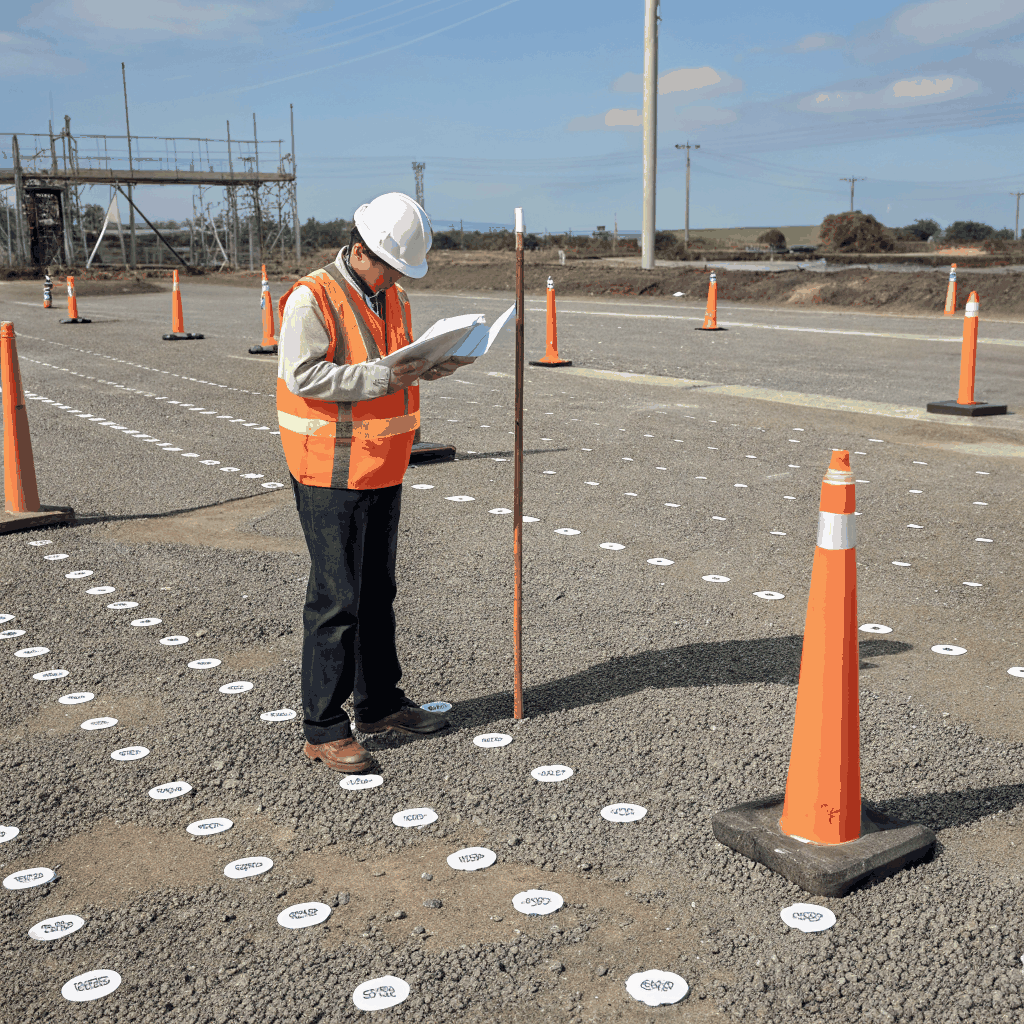
- Hard hats – properly fitted and free of cracks.
- High‑visibility vests or clothing.
- Safety glasses or goggles.
- Steel‑toed boots with non‑slip soles.
- Gloves appropriate for the task (cut‑resistant, chemical‑resistant, etc.).
- Hearing protection when operating loud equipment.
Site Housekeeping
- Clear walkways of debris, tools, and materials.
- Maintain proper storage of hazardous substances in labeled containers.
- Secure ladders and scaffolding; ensure they are on stable ground.
- Designate and mark emergency exits and assembly points.
Tool and Equipment Safety
- Check that all equipment has current safety tags and maintenance records.
- Verify that lockout/tagout procedures are followed for power tools.
- Ensure that cranes, hoists, and forklifts are operated by certified personnel.
Fall Protection Measures
- Install guardrails, toe boards, and toeboards wherever work is performed above 1.8 m (6 ft).
- Provide personal fall arrest systems (harnesses, lanyards) for elevated work.
- Inspect anchor points before each use.
Electrical Safety
- Use ground‑fault circuit interrupters (GFCIs) on all wet‑location outlets.
- Keep cords away from walkways and sharp edges.
- Verify that temporary wiring complies with local codes.
Emergency Response Preparedness
- Maintain a fully stocked first‑aid kit at a visible location.
- Ensure fire extinguishers are inspected monthly and placed within reachable distance.
- Conduct a brief drill each week to practice evacuation procedures.
Documentation and Reporting
- Log any incidents, near‑misses, or unsafe conditions in the site diary.
- Review reports at the end of each week to identify trends and corrective actions.
- Keep copies of safety training certificates for all crew members.
Compliance with Local Regulations
In Brazil, construction safety must adhere to NR‑6 (PPE), NR‑12 (Machine Safety), and NR‑35 (Work at Height) standards. Regular audits by a certified safety officer help ensure ongoing compliance.
Benefits of a Strong Safety Culture
- Reduced accident costs and insurance premiums.
- Higher morale and worker retention.
- Improved project timelines—fewer stoppages mean faster completion.
- Enhanced reputation with clients and regulatory bodies.
Conclusion
Safety is a continuous commitment rather than a checklist to be filed away. By integrating these daily practices into your routine, you create a secure environment that protects your team and boosts overall project performance. Raíz Renova’s safety protocol exemplifies how disciplined procedures lead to successful, incident‑free builds.
Comments