
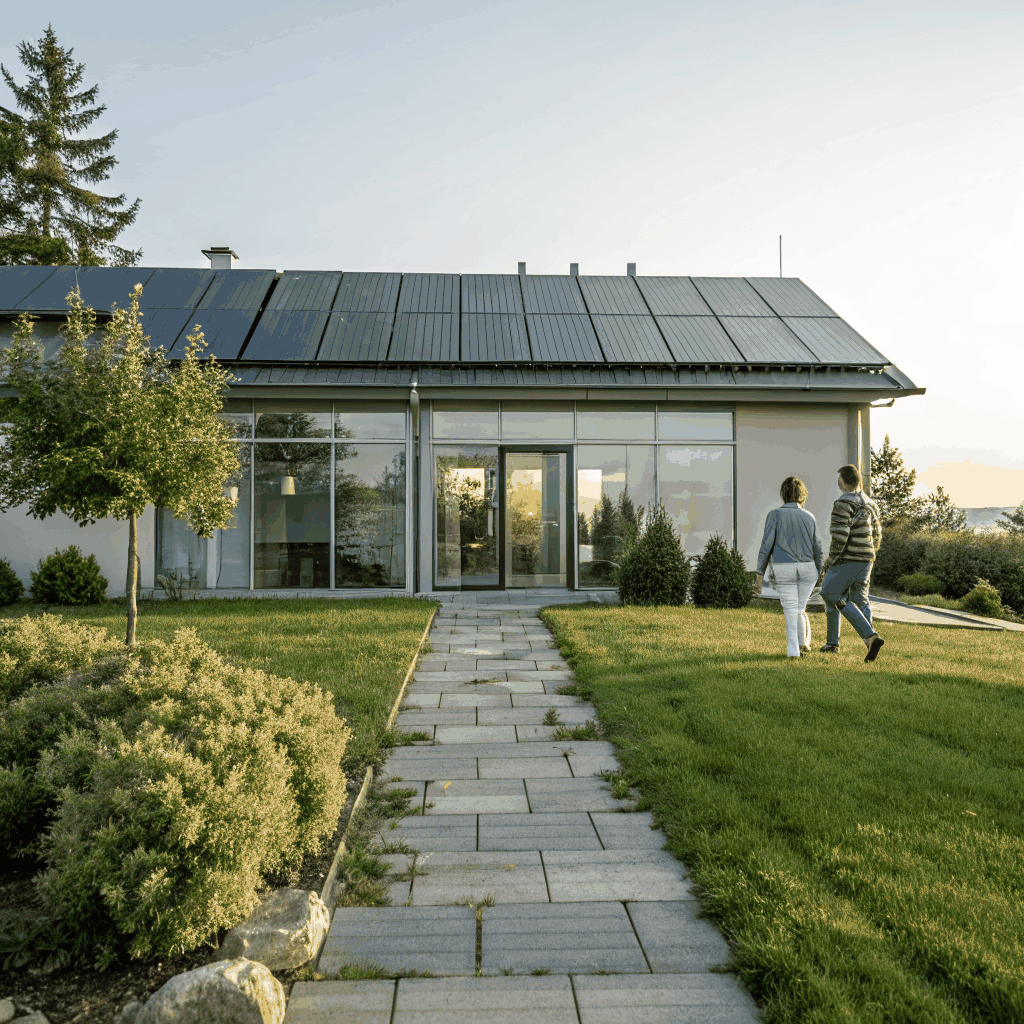
Energy Efficient Design Trends for 2024
Energy efficiency is no longer a niche concern—it’s a core component of modern architecture and construction. Homeowners, developers, and businesses alike seek designs that cut operating costs while preserving comfort. Below are the top energy‑efficient design trends shaping 2024, many of which Raíz Renova incorporates into its projects.
1. Passive Solar Architecture
Passive solar design harnesses sunlight for heating in winter and shading in summer. Key elements include:
- Strategically placed south‑facing windows with high‑performance glazing.
- Thermal mass walls (e.g., concrete or rammed earth) that store solar heat.
- Overhangs and louvers that block high summer sun while admitting low winter sun.
By balancing heat gain and loss, passive solar reduces reliance on HVAC systems.
2. High‑Performance Insulation
Advanced insulation products—such as aerogel blankets, spray foam, and cellulose—offer R‑values well above traditional fiberglass. Installing these in walls, roofs, and basements creates a continuous thermal envelope, slashing heat transfer.
3. Net‑Zero Ready Roofs
Roof systems are evolving beyond simple weather protection. Options include:
- Solar photovoltaic panels integrated with roofing shingles.
- Green roof assemblies with native plants for natural cooling.
- Reflective cool‑roof coatings that reduce roof surface temperature.
These measures help buildings approach net‑zero energy consumption.
4. Smart Home Integration
IoT‑enabled thermostats, lighting controls, and occupancy sensors allow occupants to fine‑tune energy usage. Automation can lower heating and cooling setpoints during unoccupied periods and turn off lights in empty rooms.
5. High‑Efficiency Windows and Doors
Low‑emissivity (Low‑E) glass, triple glazing, and insulated frames dramatically reduce heat loss. Proper sealing prevents air infiltration, a common source of energy waste.
6. Water‑Saving Fixtures Coupled with Heat Recovery
Low‑flow faucets, dual‑flush toilets, and rainwater harvesting systems reduce water consumption. When combined with heat‑recovery ventilators (HRVs), the system recaptures warmth from exhaust air, further cutting heating loads.
7. Modular Construction for Tight Tolerances
Prefabricated modules are built in controlled factories, ensuring precise installation and minimal gaps. The resulting airtight envelope improves energy performance and speeds up on‑site construction.
Implementation Checklist for Builders
- Energy Modeling: Use software like EnergyPlus to simulate performance before finalizing designs.
- Material Selection: Choose high‑R‑value insulation, Low‑E glazing, and sustainably sourced building products.
- Seal and Test: Perform blower‑door tests to verify airtightness.
- Integrate Smart Controls: Install programmable thermostats and lighting controls early in the wiring phase.
- Educate the Owner: Provide an operations manual that explains how to maximize the building’s efficiency.
Why It Matters for Your Clients
Energy‑efficient designs lower utility bills, increase property value, and contribute to environmental stewardship—key selling points in today’s market. By adopting these 2024 trends, Raíz Renova delivers projects that meet client expectations for comfort, cost savings, and sustainability.
Conclusion
The future of construction is green, smart, and performance‑driven. Embracing these energy‑efficiency trends not only aligns with regulatory standards but also creates competitive advantage for builders and satisfaction for occupants.
Comments